At Berks Oral Surgery + Center for Orthognathic and Facial Reconstruction, we provide advanced care for jaw misalignments, TMJ disorders, sleep-related breathing disorders such as obstructive sleep apnea, and facial skeletal conditions that affect function, facial balance, and overall quality of life.
Our specialized approach addresses 3 primary goals: Airway, Bite, and Beauty.
We prioritize airway and whole-body health, addressing obstructive sleep apnea through skeletal correction. Volumetric CT analyses and sleep analyses are frequently utilized in our planning, and treatment for long-term airway health is prioritized.
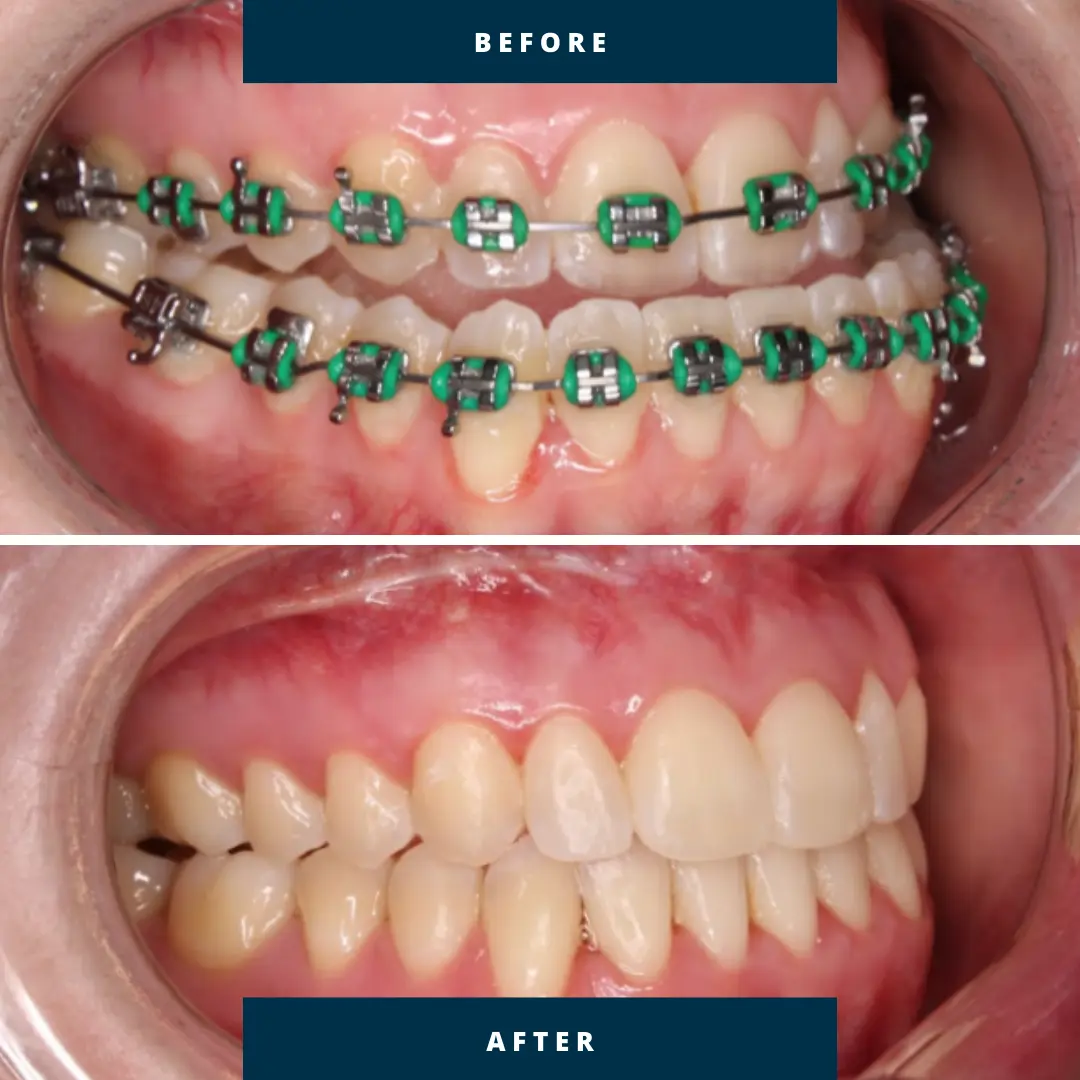
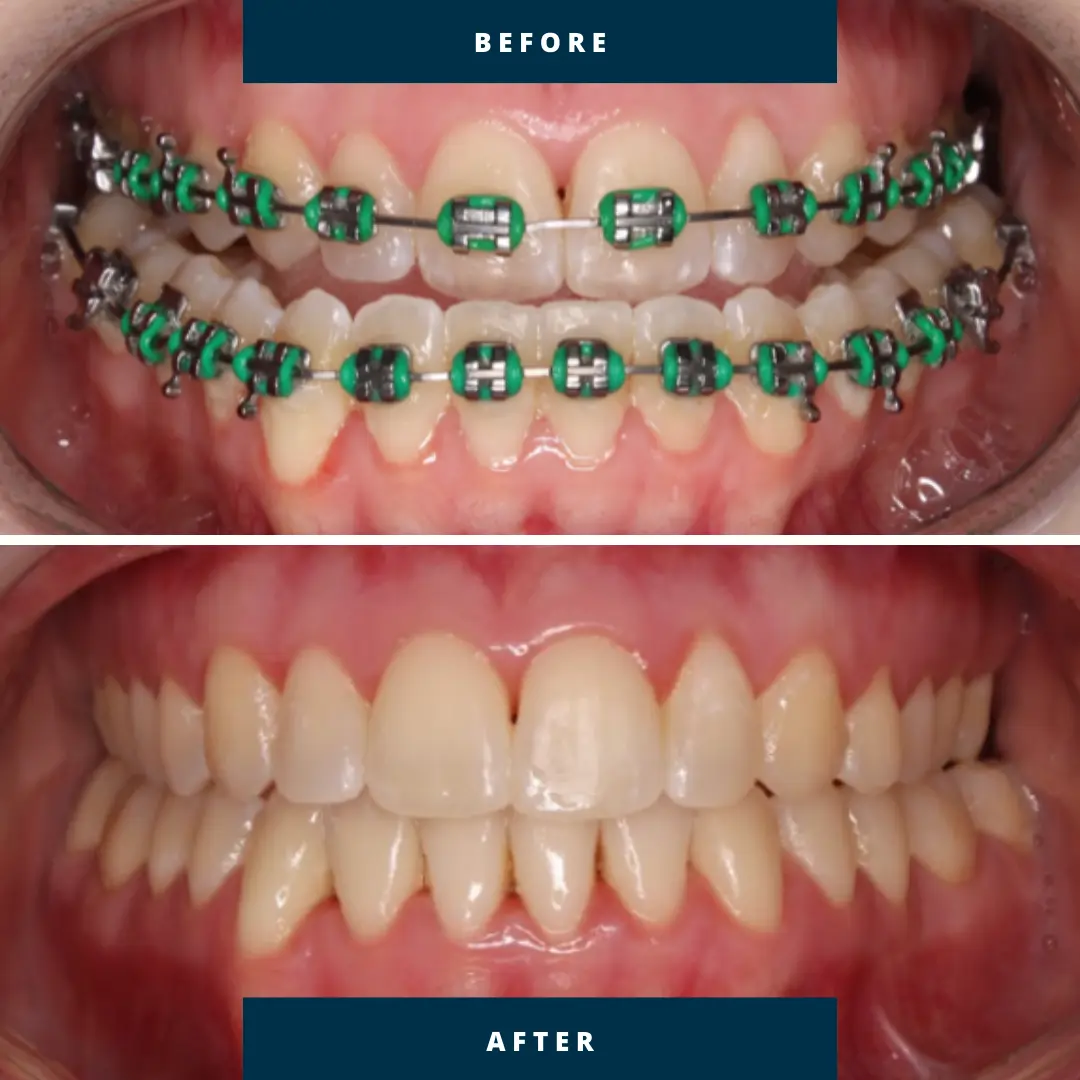
A stable, well-balanced bite is the foundation of long-term dental health and healthy TMJ function. An unbalanced bite can place excess stress on the jaw joints and muscles, contributing to TMJ symptoms and abnormal tooth wear.
The facial skeleton forms the foundation of facial aesthetics. Dentofacial discrepancies can be predictably corrected through facial skeletal surgery, creating lasting improvements in facial harmony and function.
Our comprehensive approach utilizes cutting-edge technology, including virtual analysis, virtual surgical planning, and customized surgical guides and hardware, to deliver care tailored to each patient’s unique needs.
Every patient receives individualized evaluation and treatment planning, guided by surgical expertise and advanced diagnostic insight.
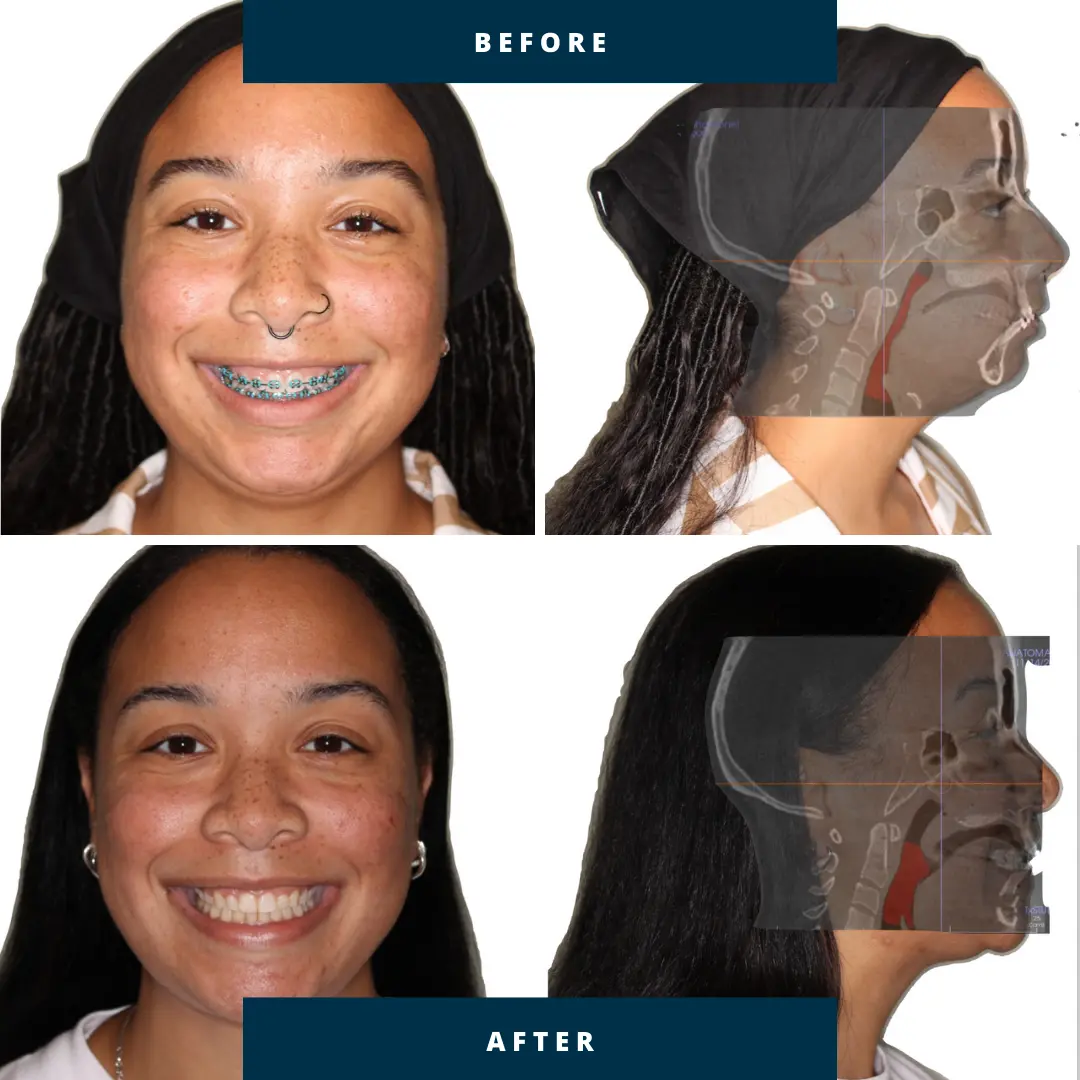
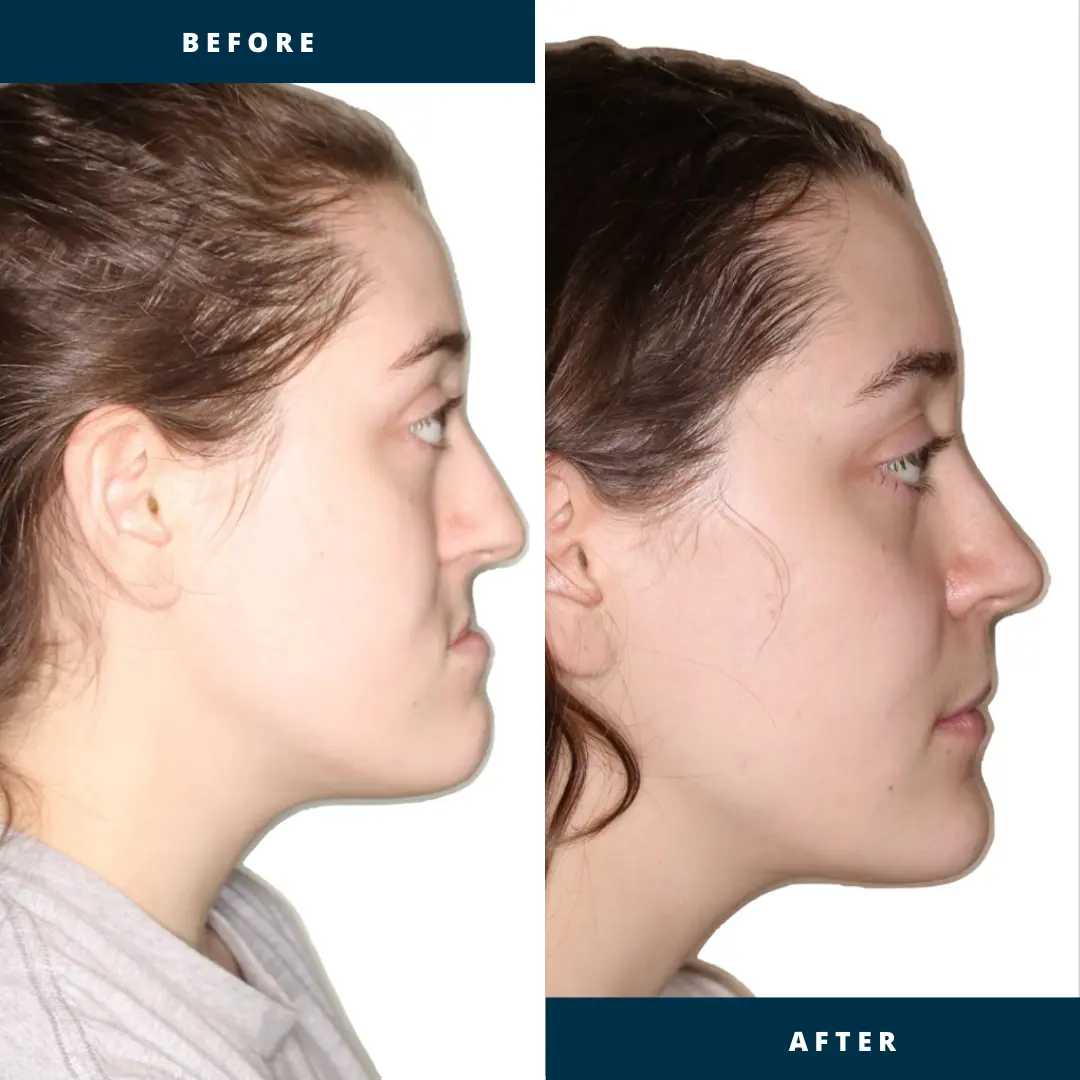
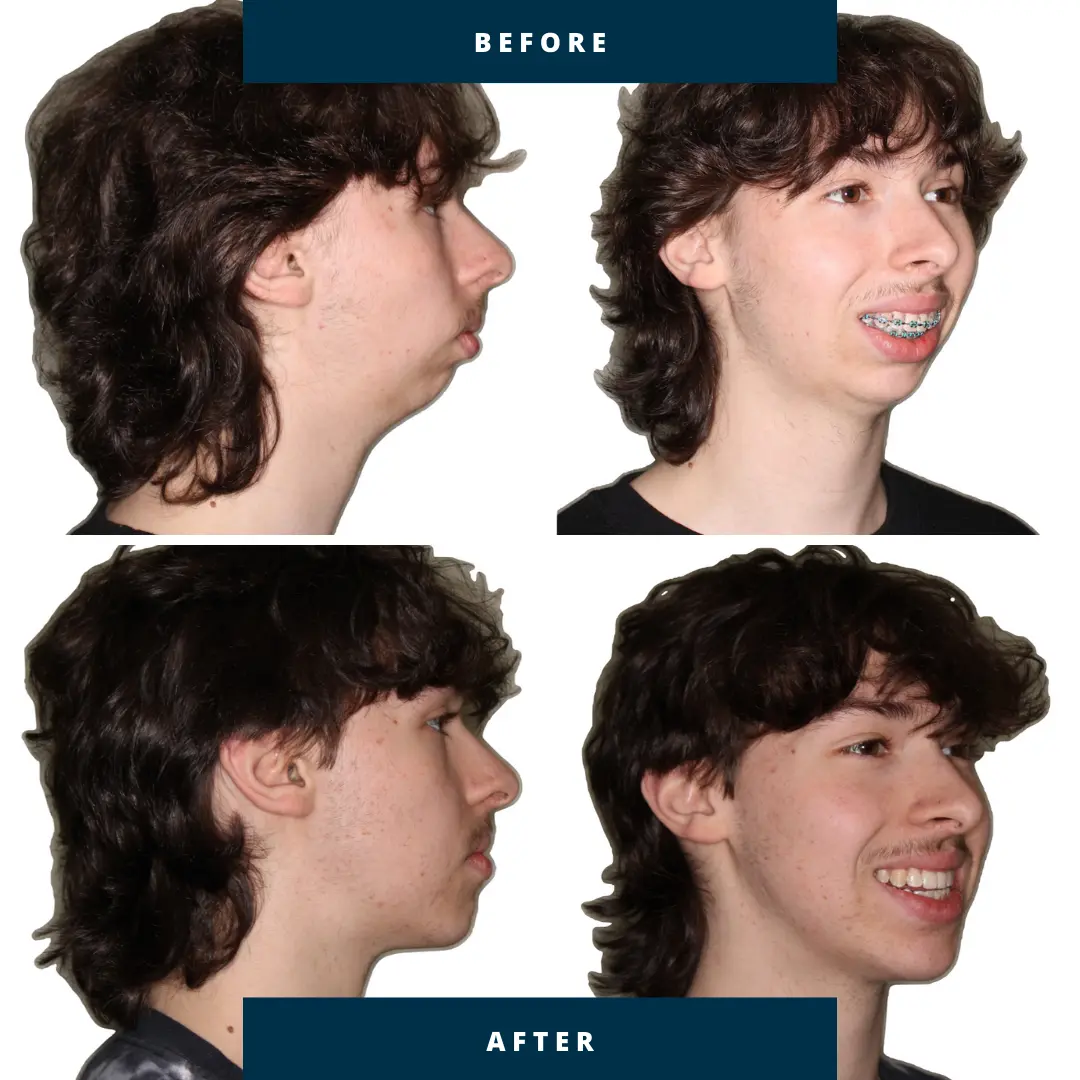
We work with many insurance providers and help patients navigate every step of the insurance process. Our team advocates on your behalf by obtaining pre-authorizations, participating in peer-to-peer reviews, and filing appeals when needed.
Being out of network does not necessarily mean your procedure is not covered; it simply means a different process, and we are committed to helping you maximize your available benefits and guiding you through the process.
Some procedures deemed cosmetic may not be covered by your insurance regardless of the provider or facility. For procedures that are not covered by insurance, we can often perform surgery in our outpatient office surgical suite, helping reduce the facility costs associated with a hospital or surgery center.
Having your jaws wired shut after orthognathic surgery is extraordinarily rare. At Berks Oral Surgery, we use advanced fixation techniques and specialized hardware to encourage early jaw movement and function as part of a personalized recovery protocol.
We prioritize preparing our patients for a comfortable recovery. Most patients manage discomfort after jaw surgery with a personalized schedule of Tylenol and ibuprofen; opioid medications are rarely required. Our protocols focus on hydration, early movement, and light activity to support healing and help patients return to normal function as quickly as possible.
What is orthognathic surgery? With Dr. Romeo Luo
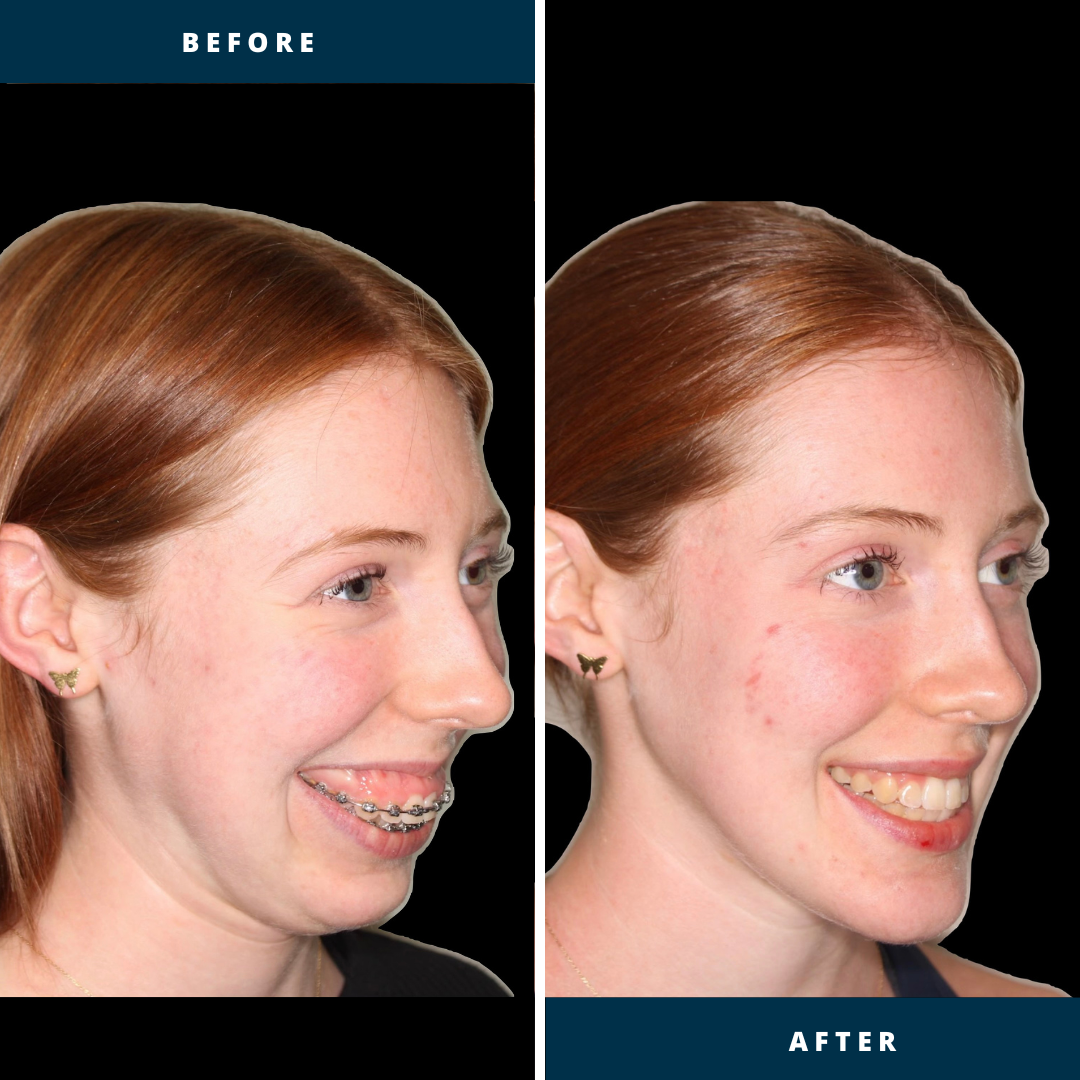
Orthognathic surgery corrects jaw discrepancies that cannot be resolved with orthodontics alone. Proper jaw alignment can improve:
Signs and symptoms that may indicate the need for corrective jaw surgery:
Facial reconstructive and cosmetic surgery focuses on restoring both form and function of the face. Whether addressing the effects of trauma, correcting long-standing asymmetries or deformities, or enhancing facial balance, these procedures are designed to improve appearance while preserving natural facial harmony.
Patients may seek treatment for:
Facial injuries or post-traumatic deformities
Jaw or facial asymmetry
Scarring or contour irregularities
Age-related changes or aesthetic concerns
Using advanced imaging, surgical planning, and a deep understanding of facial anatomy, we create individualized treatment plans tailored to each patient’s goals.
Treatment ranges from minimally invasive procedures to comprehensive surgical reconstruction, including:
Post-traumatic reconstruction and revision surgery
Facial contouring procedures (chin, jawline, cheek augmentation)
Orthognathic (jaw) surgery for functional and aesthetic balance
Adjunctive cosmetic treatments to enhance overall results
Our approach prioritizes precision, balance, and long-term stability, with the goal of achieving natural-looking outcomes that restore confidence and function.
The temporomandibular joints (TMJ) connect your lower jaw to your skull and allow you to speak, chew, and move your jaw comfortably. TMJ disorders (often called “TMD”) occur when these joints or the surrounding muscles are not functioning properly.
Patients may experience:
Jaw pain or soreness
Clicking, popping, or locking of the jaw
Difficulty opening or closing the mouth
Headaches, ear pain, or facial tension
TMJ disorders can develop from a variety of causes, including bite discrepancies, joint inflammation, arthritis, trauma, or muscle overuse from clenching and grinding.
Treatment depends on the underlying cause and severity of symptoms. Most patients improve with conservative, non-surgical care, including:
Custom oral appliances (nightguards/splints)
Anti-inflammatory medications
Physical therapy and jaw exercises
Botox injections to reduce muscle overactivity
For patients with more advanced joint problems, treatments that we are able to perform:
Minimally invasive procedures such as arthroscopy
Open joint procedures such as arthroplasty and total joint replacement
Our goal is to provide a personalized treatment plan that relieves pain, restores function, and improves your quality of life.
For patients whose sleep apnea or airway obstruction is related to jaw position, surgical correction may offer significant improvement in breathing, sleep quality, and overall health. Snoring is common and affects 30–50% of adults, but it isn’t always a sign of a serious condition. It occurs when soft tissues in the throat vibrate during sleep and can disrupt rest for you and your partner. Obstructive sleep apnea (OSA) is different—and potentially serious. It involves repeated pauses in breathing during sleep and, if untreated, can increase the risk of heart disease, stroke, high blood pressure, irregular heartbeat, excessive daytime sleepiness, and reduced quality of life. Our physicians can determine whether your snoring is harmless or a symptom of sleep apnea and guide you to the right treatment.
Snoring may improve with lifestyle changes such as weight loss, adjusting sleep position, and avoiding alcohol or sedatives before bed. If needed, oral appliances can treat snoring and mild sleep apnea, while surgical options may be considered when conservative treatments are unsuccessful. You should consider an evaluation if you experience loud snoring with breathing pauses, daytime sleepiness, restless sleep, morning headaches, high blood pressure, or difficulty concentrating. A sleep study may be recommended to confirm a diagnosis.
We believe successful outcomes begin with understanding the whole patient — not just the condition.
Our process includes:
Detailed assessment of facial structure, jaw alignment, and airway.
Surgical recommendations tailored to your unique anatomy and goals, with detailed planning and a clear explanation of the proposed surgical movements.
Precision-focused treatment, grounded in experience.
Open, clear communication before, during, and throughout your recovery.
Throughout the process, patients are supported by our friendly, compassionate team that values clarity, trust, and collaboration. We are here to help explore solutions to improve your breathing, eating, comfort, and quality of living.
We believe the best results come from blending reconstructive principles with aesthetic insight—restoring what was lost, refining what is present, and enhancing what is possible.
If you’re seeking answers for jaw alignment, TMJ, facial reconstruction, or airway-related concerns, we invite you to schedule a consultation with one or our expert oral and maxillofacial surgeons:
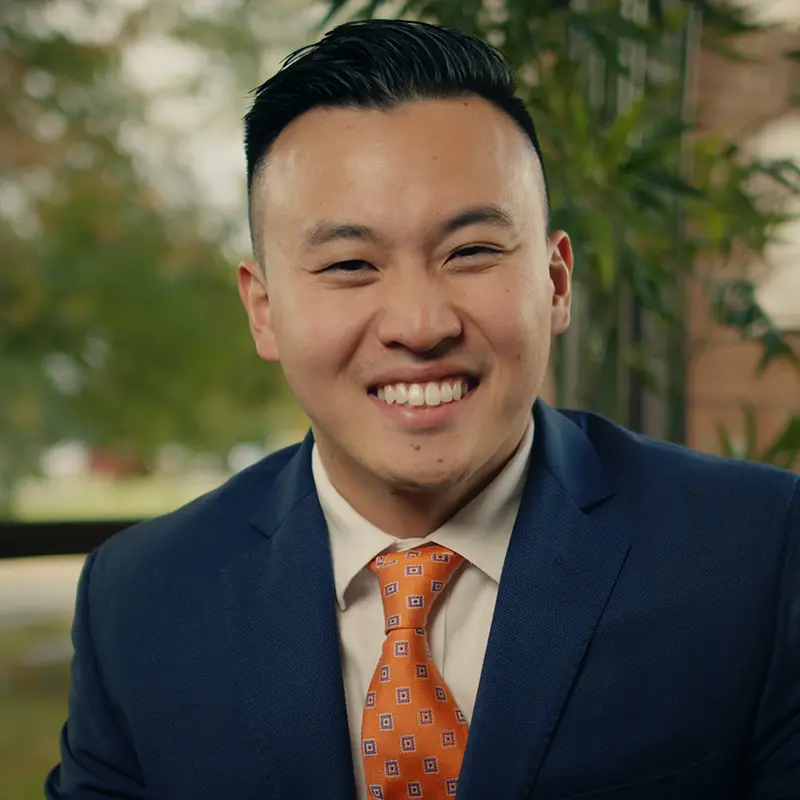
Dr. Luo is a highly trained oral and maxillofacial surgeon with a fellowship in advanced corrective jaw surgery and temporomandibular joint disorders. He is one of only a handful of surgeons in the world to have been selected for and completed this fellowship. He is passionate about bringing his specialized surgical training to Pennsylvania.
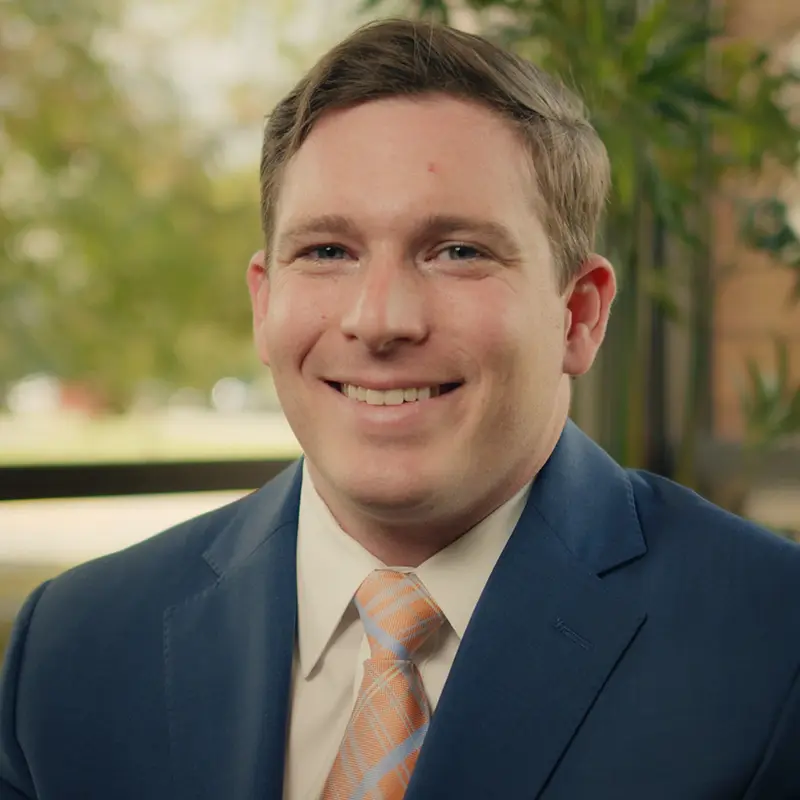
Dr. Young has Pennsylvania roots, having grown up close by in the East Stroudsburg area. After graduating Magna Cum Laude from Lafayette College, Dr. Young received his D.M.D. at Temple University. He completed residency at Thomas Jefferson Oral and Maxillofacial Surgery, where he gained intensive training in orthognathic procedures.